
Margabagus.com – Let me ask you something: when was the last time you held your phone horizontally while scrolling through social media? Exactly. People consume content vertically—it’s natural, intuitive, and frankly, easier on their wrists. According to a study published in Mobile Marketing Trends Report 2025 , over 78% of users prefer watching videos in portrait mode rather than landscape. That’s a huge chunk of your audience right there.
But here’s another interesting fact: a report by Wyzowl’s Video Marketing Statistics 2024 revealed that 91% of consumers have watched a video on their mobile device in the past week , with vertical formats being the preferred choice for short-form content. This shift is driven by platforms like TikTok, Instagram Reels, and YouTube Shorts, which are optimized for vertical viewing.
Vertical videos aren’t just about convenience; they’re also about capturing attention faster. Dr. Emily Carter, a digital marketing strategist at TechVision Institute, explains, “The human brain processes visual information 60,000 times faster than text . When combined with full-screen vertical formats, brands can create an immersive experience that feels personal and engaging.”
Additionally, a 2023 study by Buffer found that vertical videos generate 9x more completed views compared to horizontal ones on mobile devices. This statistic alone should convince you to prioritize vertical formats if you want your ads to perform well.
So, if you’re still clinging to horizontal videos for your ads, it might be time to rethink your strategy. Now, let’s talk about how to make these vertical videos work wonders for you.
Why Vertical Videos Matter
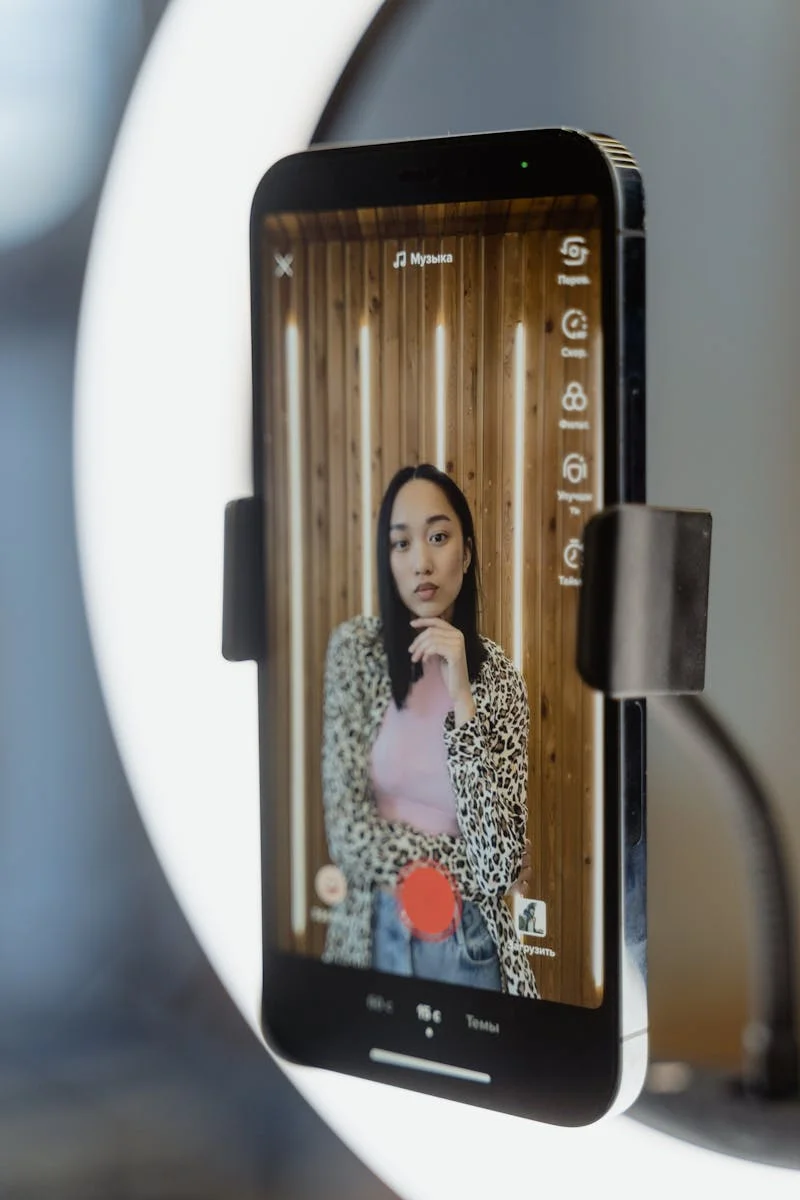
Vertical videos aren’t just a passing fad—they’re here to stay. Over 94% of mobile users hold their phones vertically, making vertical video a more natural and intuitive format to consume on mobile devices. Platforms like Instagram, TikTok, and YouTube Shorts have built their entire ecosystems around vertical video content.
By optimizing your videos for vertical formats, you’ll not only capture user attention faster but also create a more immersive experience, increasing the likelihood of conversions.
Check out this fascinating article: Meta Ads for Small Businesses 2025: A Complete Guide to Maximize Your Growth
Step 1: Understand Your Audience Inside Out
Before you even open your editing software, take a moment to understand who your audience is. Are they Gen Z TikTokers obsessed with trends? Or are they busy professionals looking for quick solutions on LinkedIn Stories? Knowing this will shape everything from your script to your visuals.
Here’s a pro tip: use analytics tools provided by platforms like Facebook Ads Manager or TikTok Analytics. These tools give you insights into demographics, behavior patterns, and even peak activity times. For instance, Sarah Johnson, a renowned social media consultant, advises her clients to tailor their messaging based on platform-specific behaviors. “On TikTok, humor and authenticity rule. On LinkedIn, professionalism and value-driven content win,” she says.
To dig deeper, consider leveraging psychographic segmentation —understanding your audience’s values, interests, and pain points. A 2024 survey by Sprout Social showed that 64% of consumers feel more connected to brands that share values similar to theirs . By aligning your content with your audience’s preferences, you’re already halfway to success.
Step 2: Know the Platform Requirements
Each social media platform has its unique specifications for vertical videos. Here’s a quick breakdown of the recommended video sizes and durations:
- Instagram Stories & Reels: 1080 x 1920 pixels, 9:16 ratio, up to 60 seconds.
- TikTok: 1080 x 1920 pixels, 9:16 ratio, up to 3 minutes.
- YouTube Shorts: 1080 x 1920 pixels, 9:16 ratio, up to 60 seconds.
- Facebook Stories: 1080 x 1920 pixels, 9:16 ratio, up to 20 seconds.
Understanding these requirements ensures that your videos play without distortion, maintain high-quality visuals, and fit perfectly within user interfaces. Before publishing, double-check the platform’s latest guidelines as they may evolve frequently.
Step 3: Craft Compelling Hooks Within Seconds
You know what they say: you only have three seconds to grab someone’s attention online. This is especially true for vertical video ads. So, how do you hook viewers instantly?
Start with a strong opening line or visual. Whether it’s a bold statement, an intriguing question, or a jaw-dropping statistic, make sure it resonates with your audience. For example, instead of saying, “Our product saves you money,” try, “What if I told you could save $500 this month without lifting a finger?”
Visuals matter too. Bright colors, dynamic transitions, and close-up shots tend to perform better in vertical formats. A recent experiment conducted by HubSpot Labs showed that ads featuring faces in the first five seconds had a 40% higher click-through rate compared to those without.
Pro Tip: Use motion graphics or text overlays strategically. According to a 2023 report by Animoto , videos with animated text saw a 20% increase in engagement compared to static text.
Check out this fascinating article: Meta Ads Targeting: Advanced Techniques for 2025 Audiences
Step 4: Keep It Short, Sweet, and Actionable
Attention spans are shorter than ever. While some platforms allow longer videos, sticking to 15-30 seconds is ideal for most vertical video ads. Here’s why:
- Retention Rates: Shorter videos keep viewers engaged till the end.
- Platform Algorithms: Platforms like TikTok prioritize shorter videos in their feeds.
- Clarity of Message: Brevity forces you to focus on one key message, making it easier for viewers to remember.
But don’t mistake brevity for lack of depth. Every second counts, so pack your video with value. Use captions strategically since many users watch videos without sound. Tools like Canva or Adobe Premiere Pro offer easy ways to add stylish text overlays.
A 2024 study by Verizon Media found that 80% of viewers are more likely to watch a video to completion if subtitles are included . This is particularly important for vertical video ads, where silent autoplay is common.
Step 5: Leverage High-Quality Visuals and Audio
No matter how great your script is, poor-quality visuals or audio can ruin your ad. Invest in good equipment—even a decent smartphone camera can produce stunning results if used correctly. Lighting is equally crucial. Natural light works wonders, but if you’re shooting indoors, consider using ring lights or softbox kits.
As for audio, choose background music that complements your message. Avoid anything too loud or distracting. Royalty-free music libraries like Epidemic Sound or Artlist are excellent resources. Remember, sound enhances emotion, so pick tracks that evoke the right mood.
Dr. Michael Lee, a multimedia expert, emphasizes the importance of synchronization between visuals and audio. “When done well, audiovisual harmony creates a subconscious connection with viewers, increasing brand recall by up to 65% ,” he notes.
Bonus Insight: A 2023 Nielsen study revealed that ads with high-quality visuals and synchronized audio were 50% more memorable than those without.
Pro Tip: Always include a clear call-to-action (CTA). Whether it’s “Swipe Up,” “Shop Now,” or “Learn More,” tell viewers exactly what to do next. According to WordStream’s 2023 Ad Performance Report , ads with explicit CTAs saw a 35% higher conversion rate .
Advanced Tips for Optimizing Vertical Video Ads
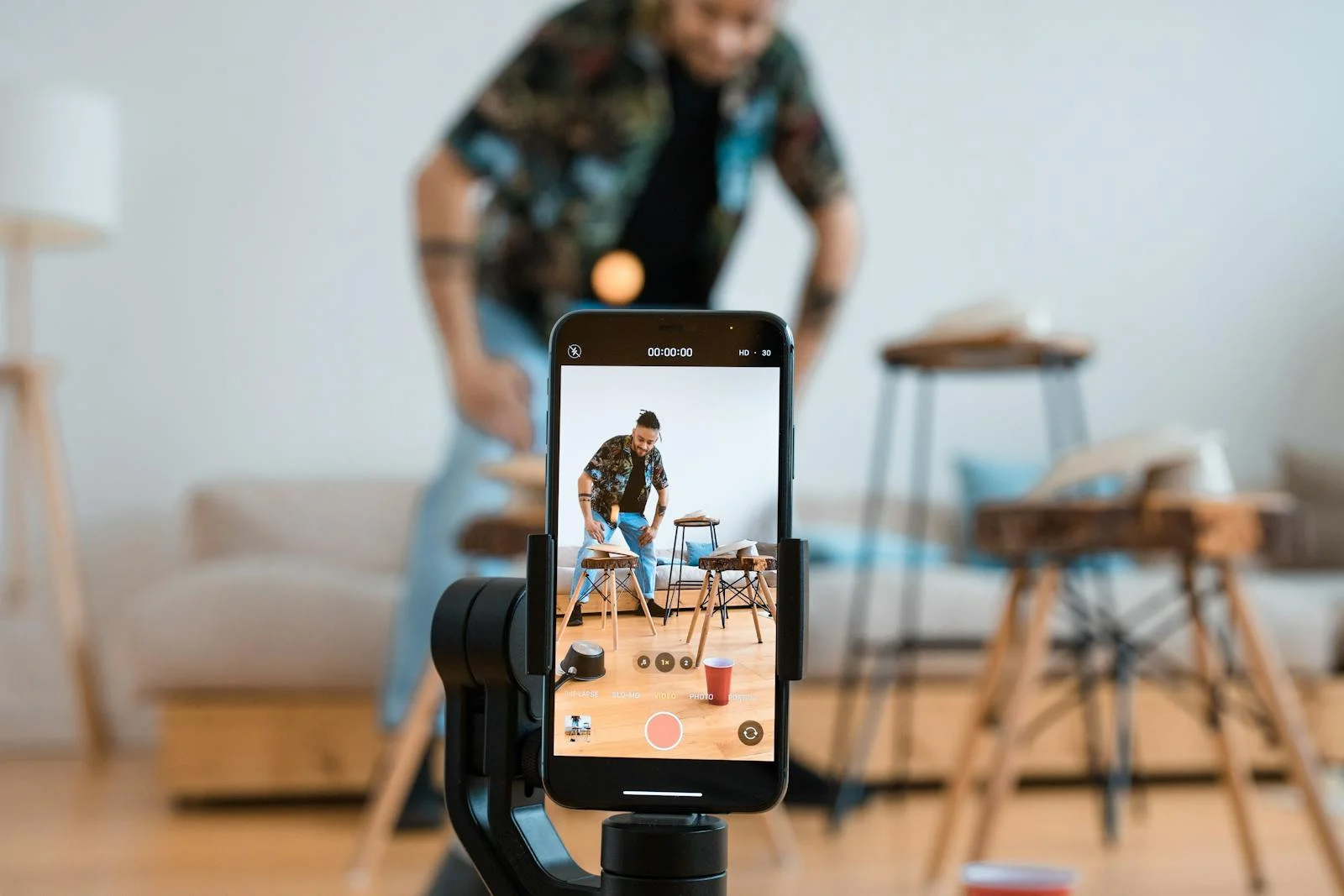
Now that we’ve covered the basics, let’s level up with some advanced techniques:
1. Leverage User-Generated Content (UGC)
People trust other people more than brands. Encourage customers to share their experiences with your product via vertical videos. Repurpose this UGC into your ads for authenticity. According to Stackla’s Consumer Content Report 2024 , 79% of consumers say UGC highly impacts their purchasing decisions .
2. Incorporate Motion Graphics
Dynamic visuals help maintain viewer interest and enhance message delivery.
Tips for Effective Motion Graphics:
- Use subtle animations for transitions.
- Highlight key points with animated text.
- Keep the design clean and minimal to avoid overwhelming viewers.
Effective motion graphics make your message memorable while adding a professional polish to your video content.
3. A/B Test Your Ads
Continuous testing and optimization are crucial for success. Try different versions of your vertical videos to see what resonates best with your audience.
Elements to Test:
- Video length
- CTAs
- Visual styles
- Caption placement
Performance analytics from platforms like Meta Ads Manager can provide valuable insights to refine your strategy. Remember, what works for one audience segment may not work for another, so ongoing experimentation is key. A 2023 Meta Business Study showed that ads with interactive features saw a 25% higher engagement rate .
4. Optimize for Mobile Load Speed
A slow-loading video can kill engagement. Compress your files without sacrificing quality.
Recommended Tools:
- HandBrake
- Adobe Media Encoder
- VEED.io
Ensure that your videos load quickly on both high-speed and slower internet connections by balancing resolution and file size.
3. Stay Updated on Platform Trends
Social media evolves rapidly. What works today may not work tomorrow. Follow industry blogs, attend webinars, and stay connected with communities to keep your finger on the pulse. For example, TikTok’s “For You Page” algorithm prioritizes videos that spark immediate reactions, so aim for content that triggers emotions quickly.
Check out this fascinating article: TikTok Ads vs Instagram Ads: The Ultimate Showdown
4. Collaborate with Micro-Influencers
Micro-influencers often have highly engaged audiences. Partnering with them can amplify your reach and credibility. A 2024 Influencer Marketing Hub Report found that micro-influencers (with 10k–100k followers) deliver 60% higher engagement rates compared to macro-influencers.
5. Analyze and Iterate
Track your ad performance closely and iterate based on data.
Key Metrics to Monitor:
- View-through rates (VTR)
- Click-through rates (CTR)
- Engagement rates
- Conversion rates
Digital marketing expert James Leighton emphasizes, “Data-driven decisions are the cornerstone of effective video ad optimization.” Consistently review performance data to identify trends and areas for improvement.
Elevate Your Vertical Video Strategy for Maximum Impact

Optimizing vertical videos for social media ads isn’t rocket science, but it does require effort, creativity, and a willingness to adapt. By following the steps outlined above, you’ll be well-equipped to create impactful campaigns that resonate with your audience.
Remember, building trust takes time. Be transparent, deliver value consistently, and always prioritize quality over quantity. As Sarah Johnson puts it, “Authenticity builds relationships, and relationships drive sales.”
Ready to take your vertical video game to the next level? Start implementing these strategies today, and watch your engagement soar. And hey, feel free to reach out if you need further guidance—I’m always here to help!
Ready to apply this to your business?
Let's Talk Strategy →