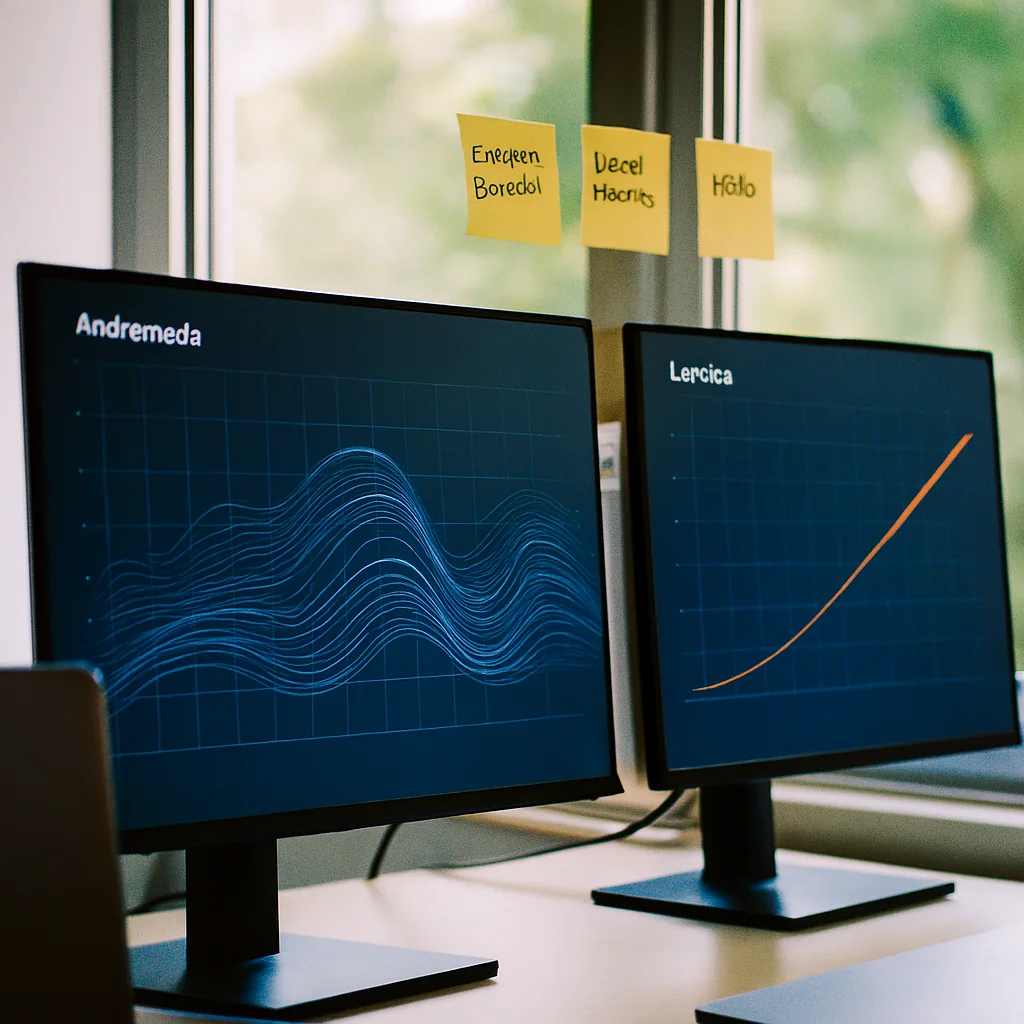
Meta Andromeda + Lattice shift Meta Ads from audience micro-splits toward creative breadth, where diverse ads fuel better retrieval and ranking.
- Andromeda boosts retrieval quality and scales model capacity, powering Advantage+ automation and GenAI adoption.
- Lattice improves ranking by generalizing learnings across objectives, lifting conversions in 2025 rollouts.
- Creative diversification, not audience slicing, unlocks lower CPA and higher ROAS when paired with broad delivery.
- Adopt a “creative buckets” playbook, 12–20 distinct ads per wave, then let automation find winners.
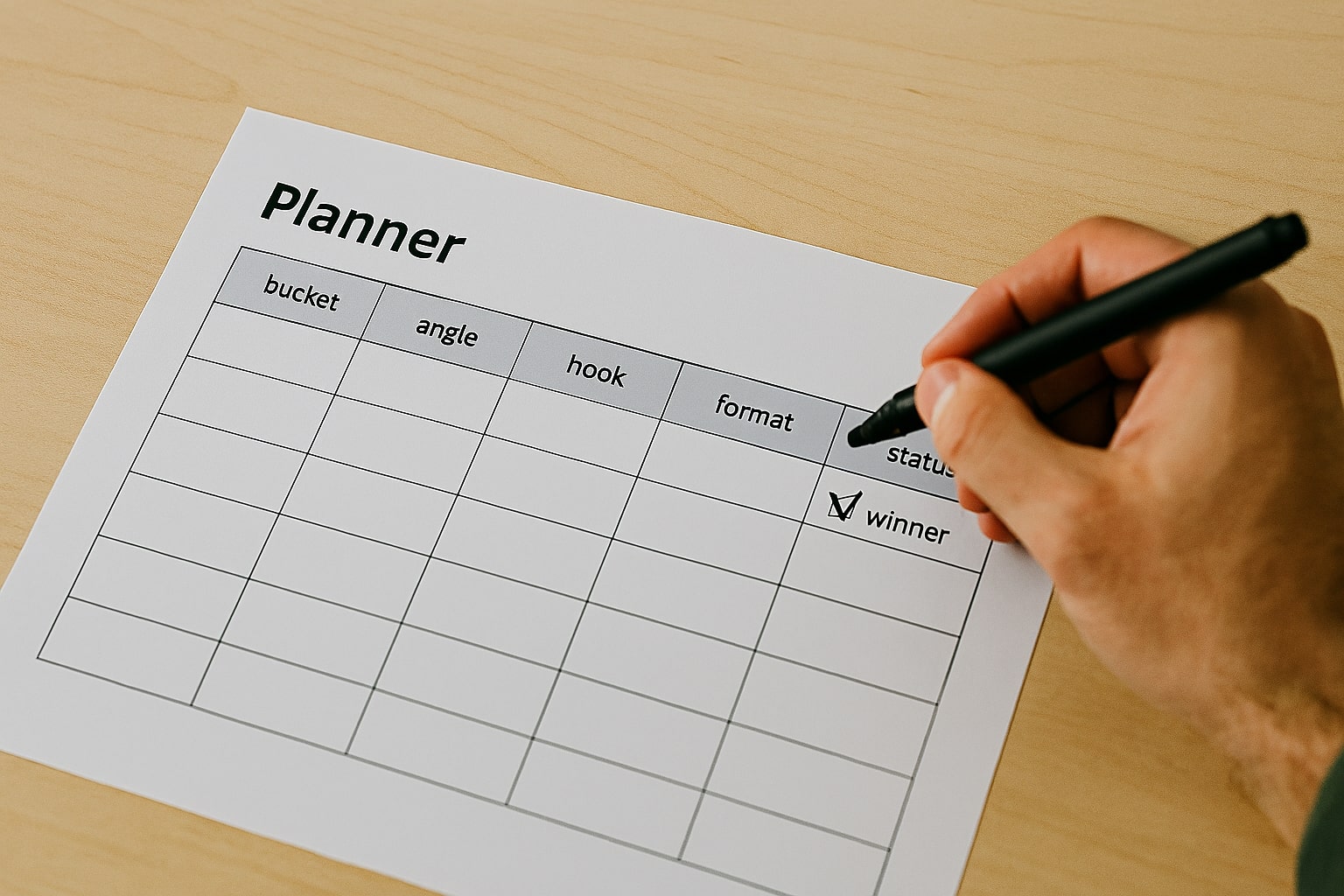
- Use the included planner to map KPIs, angles, formats, and test cadence.
- Download the Creative Planner to execute today.
Margabagus.com – The conversation about Meta Andromeda + Lattice often gets lost in buzzwords, yet the measurable signal is clear, creative breadth scales performance more reliably than endlessly slicing audiences. In Meta’s own engineering notes, Andromeda increased retrieval recall and improved ads quality while fueling a surge in Advantage+ creative adoption and generative tools use, which in turn raised ROAS and conversions for many advertisers [1]. On the ranking side, Meta’s Q2-2025 transcript confirms broader deployment of Lattice correlating with a tangible lift in ad conversions across Facebook Feed and Reels, a reminder that the newer stack rewards variety in ads more than micromanaged targeting trees [2]. This article unpacks how Andromeda and Lattice work together, why “creative diversification” beats audience micro-splits, and how to operationalize a breadth-first playbook with pricing, tools, and a ready-to-use planner download.

Meta Andromeda + Lattice, The Twin Engine Of Meta Ads In 2025
Meta’s current ads system runs in stages. Andromeda is the retrieval engine that selects a few thousand promising candidates out of tens of millions, while Lattice powers ranking, deciding which ads each person finally sees. The two are co-designed with modern AI hardware and software so that more diverse creative inputs translate into better retrieval, better ranking, and better outcomes [1][2].
Why it matters for you, the media buyer or founder. The algorithms are optimized to learn from variety at scale. More distinct creatives give Andromeda more eligible candidates and give Lattice more signals to match the right message to the right person. Trying to out-engineer delivery with dozens of minute audience splits reduces eligible volume, slows learning, and contradicts how Meta’s stack now finds performance [3].
Check out this fascinating article: 2025 Meta Ads Strategy Guide: How Andromeda + Lattice Redefine Creative & Data Signals
Why Creative Breadth Beats Audience Micro-Splits On Meta Ads
For years, the standard play was to predefine audiences and starve the algo of exploration. Today, the performance upside comes from creative diversification inside broad delivery. Meta’s engineering blog reports that when advertisers switch on Advantage+ creative features, ROAS increases and GenAI assets lift conversions, which aligns with the idea that more distinct creative = more eligible matches [1]. Independent explainers and expert analyses in 2025 echo this, showing that simplified structures and broad targeting outperform manual micro-management, especially under Andromeda’s retrieval gains and Lattice’s generalized ranking [13][21].
What kills performance: overly narrow interest stacks, many tiny ad sets, and rotating the same angle with minor edits. What wins more often: 12–20 truly different creatives per test wave, built from varied angles, formats, hooks, offers, then allowing Advantage+ automation to route impressions efficiently [1].
Inside Meta Andromeda, The Retrieval Engine That Loves Variety
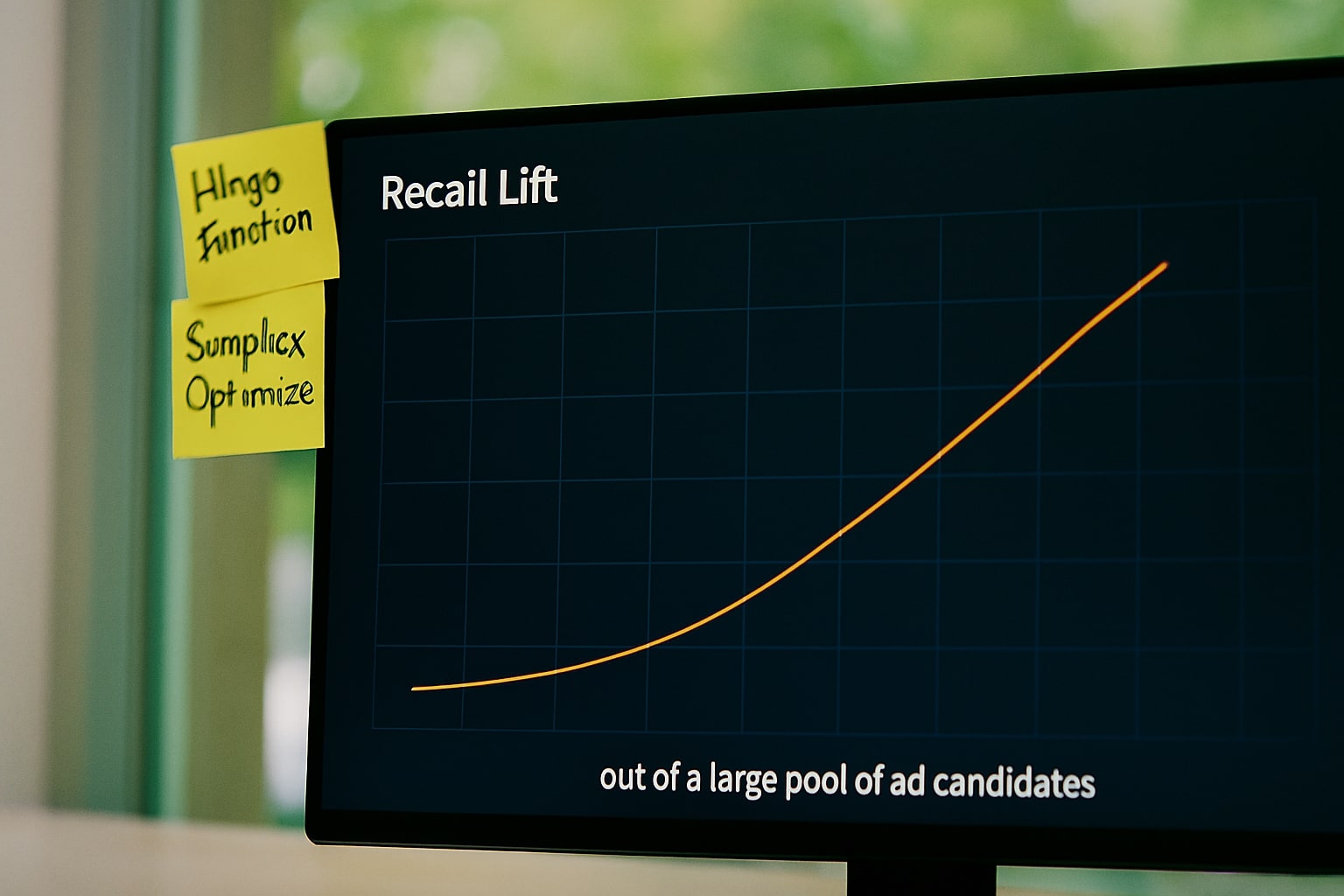
Andromeda is built for scale and speed, using deep neural networks co-designed for AI hardware. It improves recall in retrieval while boosting overall ad quality, and it introduces hierarchical indexing so the system can handle the exponential growth in creatives that comes with Advantage+ and GenAI adoption [1].
Key points you can bank on, translated to practical implications:
-
Much larger model capacity, with a documented 10,000× increase in capacity through sublinear inference and hierarchical indexing. In practice, bigger models reward bigger creative libraries, giving your ads more “tickets” in the draw [1].
-
Measured gains: Andromeda deployment yielded +6% retrieval recall and +8% ads quality improvements on selected segments, which feeds downstream ranking with better candidates [1].
-
Advantage+ synergy: turning on Advantage+ creative increased ROAS, and image generation users saw added conversion lift, showing the system’s bias toward diverse inputs [1].
So, feed it variety. The more distinct your hooks, scenes, and messages, the more eligible paths Andromeda can retrieve for Lattice to score.
What Meta Lattice Adds In Ranking, And How That Changes Your Setup
Lattice is Meta’s ranking architecture that generalizes learnings across objectives and surfaces, replacing numerous smaller models with fewer, larger models that can share knowledge across placements and goals [2]. Meta’s Q2-2025 remarks note that expanding Lattice coverage drove a nearly 4% increase in ad conversions across Facebook Feed and Reels as it moved earlier into ranking stages this year [2].
In plain terms, Lattice rewards accounts that supply clean signals and rich creative sets rather than exotic audience definitions. The more Lattice sees different creatives paired with clear conversion signals, the better it can match and scale. Sequence learning work at Meta further extends this, using longer engagement histories that again benefit creative freshness and diversity over audience slicing [6].

A Breadth-First Playbook For Meta Advantage+, Step By Step
Before we list steps, note the principle, diversify inputs, simplify structure, and let the system learn. This aligns with Meta’s Performance 5 guidance to lean into automation, clean conversions, and creative excellence [20].
- Define one primary objective and a single source of truth. Sales with Purchase events, Leads with complete registrations, App with installs. Avoid multiple “North Stars” in the same wave.
- Design 4–6 “creative buckets.” Examples, Problem-Solution, Proof, Offer, Education, UGC native. For each bucket, script three materially different variants in hook, visual, and message.
- Ship a wave of 12–20 distinct ads. Use multiple aspect ratios, 9:16, 1:1, 4:5, and mix video and image. This is the fuel Andromeda and Lattice need.
- Run broad delivery inside Advantage+ with minimal manual exclusions. Add a modest warm audience if required by brand context, but keep it simple [3].
- Hold creative for 5–7 days unless there is a clear loser. Evaluate per creative and not only per ad set.
- Recycle winners with new angles and retire the bottom quartile weekly. Plan a fresh wave every 10–14 days to prevent fatigue.
- Close the loop with clean signals. Use server-side events or CAPI, de-dupe, and pass offline conversions where relevant.
- Use the planner at the end of this article to manage buckets, variants, cadence, and KPIs.
Check out this fascinating article: Meta Andromeda + Lattice: A Practical Q4 Scaling Playbook
Pricing, Tools, And What To Budget For Creative Breadth
You do not pay Meta extra to use Andromeda or Lattice, they sit inside the platform. Your tooling spend usually falls into creative analytics, creative production, and automation helpers. Here is a current snapshot, pricing always changes, confirm before purchase.
| Tool | What it helps with | Pricing model | Indicative price, 2025 | Source |
|---|---|---|---|---|
| Motion | Creative analytics, tag and track winners, dashboards | Tiered SaaS | Starter $250/mo, plans scale with spend and seats | [8] |
| Madgicx | Automation, audience tools, creative insights | Tiered SaaS | Site lists trial, market trackers show $29–$72+/mo tiers | [9] |
| Smartly.io | Creative and media automation at scale | Custom, often spend-based | Spend-based pricing, mid-market focus per public write-ups | [10] |
| Meta Advantage+ | Built-in automation for targeting, placements, budget, creative | Included in Ads Manager | No platform fee, auction costs apply | [11] |
How to use this table. Treat these as enablers, not replacements. Your upside still comes from shipping more distinct ads into Advantage+ and measuring with clean signals.
A Practical Testing Framework For Breadth At Scale
Every brand can run a version of this, whether you spend $200 a day or $20,000 a day. The framework is designed to give Andromeda more candidates and help Lattice rank the right creative for each person.
-
Wave planning, pick 4–6 buckets and prebuild 3 variants per bucket.
-
Cadence, Ship Wave 1 on Monday, light trims by Friday, refresh losers next week, carry winners forward.
-
Readouts, Evaluate at creative level with reach, CTR, CVR, CPA, and ROAS. Do not rely solely on ad set level aggregates.
-
Promotion rules, Promote creatives that beat your CPA or ROAS threshold by statistically meaningful margins, then refactor those angles into new variants.
-
Data hygiene, Consolidate conversions, verify domains, and pass offline conversions if applicable so ranking can learn faster.
Sequence learning updates at Meta double the effective engagement window the system can consider, which makes consistent creative refresh and clean history even more valuable [6].
Risk, Brand Safety, Fairness, And What It Means For Breadth
When you scale variety, you still need control. Use blocklists where needed, protect brand guidelines in templates, and watch sensitive categories. On fairness, note that Meta has deployed research-driven frameworks to reduce impression variance across protected classes in regulated verticals, which is relevant if you run housing, employment, or credit campaigns [15]. The practical takeaway is to stay within policy and disclosure, use broad delivery responsibly, and monitor segment outcomes.
What To Stop Doing In 2025, If You Want The Algorithm’s Help
-
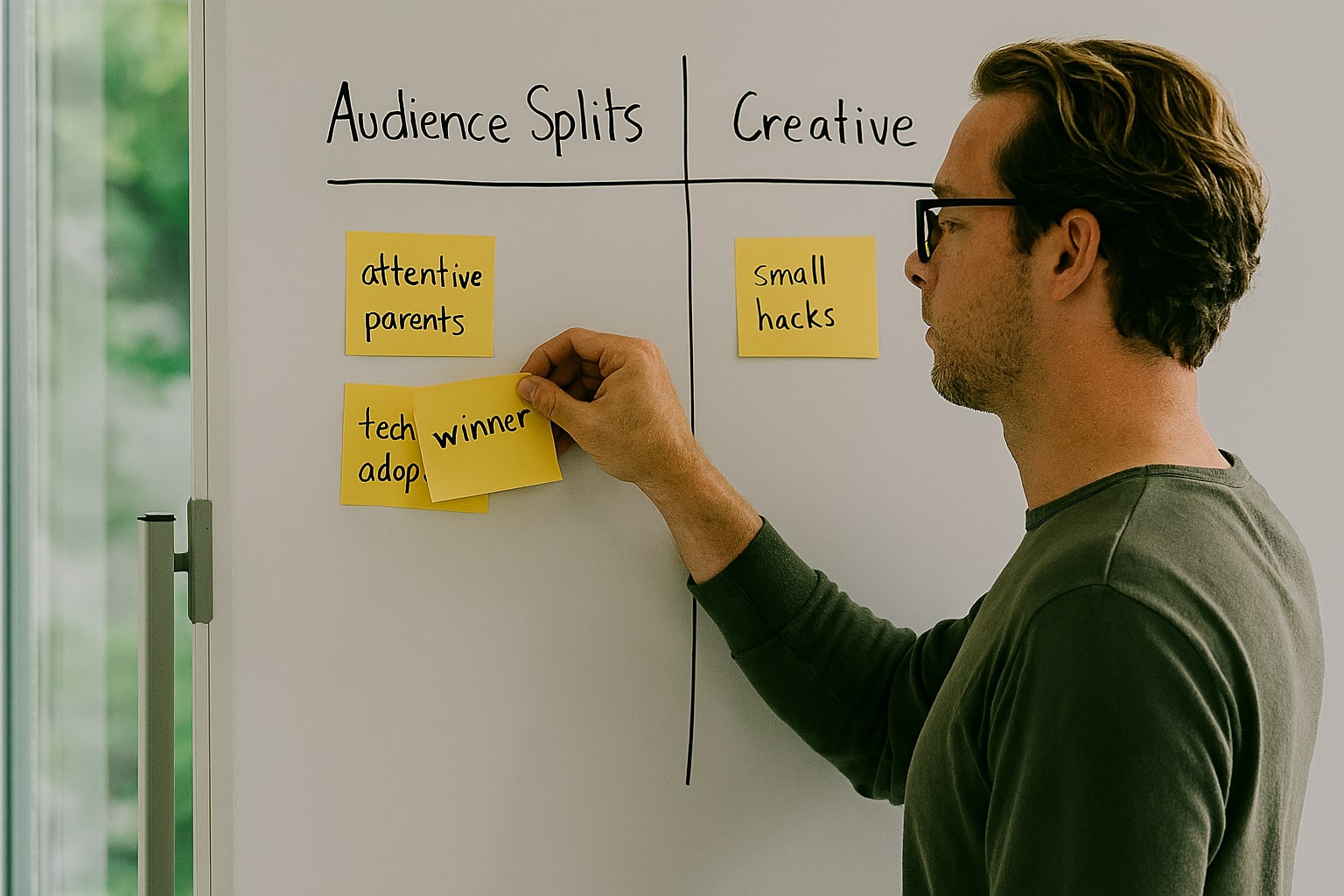
Stop building ten micro-audience trees with tiny budgets, start building ten creative angles that actually look different.
-
Stop swapping one word in a headline and calling it a new ad, start changing hook, setting, character, and proof.
-
Stop measuring only short-window, start pairing on-platform metrics with offline sales or lead-quality signals so ranking learns what “good” means for your business.
A smarter way forward, one idea at a time
The Meta Andromeda + Lattice shift favors advertisers who feed the machine with a wide range of well-made creatives, coupled with clean measurement and uncomplicated structures. If you are ready to move from audience micro-splits to creative breadth, start with four to six buckets, draft three true variants per bucket, run broad, and let the system learn. Drop a comment with your current test plan or questions about adapting this workflow to your budget and niche, I’ll help you tune the first two waves.
Ship Creative Breadth Faster, With A One-Page Planner
Build your first two test waves in under an hour, map KPIs, define buckets and angles, and track results without extra tooling.
CTA: Download the Creative Planner (Excel)
What’s inside: Quick Planner, Creative Matrix, Test Log, KPI Targets.
References
- Meta Engineering — Meta Andromeda: next-gen personalized ads retrieval
- Meta Q2 2025 Earnings Call Transcript — remarks on Andromeda & Lattice
- Social Media Today — Meta outlines AI targeting system with Lattice & Andromeda
- Meta Engineering — Sequence learning for personalized ads
- Motion — Pricing page
- Madgicx — Pricing overview
- Hunch — Smartly pricing model perspective for mid-market
- Meta for Business — Advantage+ overview
- Jon Loomer — Andromeda explained for advertisers
- ArXiv — Variance Reduction System for fairness in personalized ads
- Meta for Business — Performance 5 framework
- IMM — Unpacking Meta’s 2025 ad overhaul with Andromeda and Advantage+
Ready to apply this to your business?
Let's Talk Strategy →